Glove technology, demystified: protect hands without losing dexterity
Work gloves often force you to choose between protection and dexterity. But what if you didn’t have to compromise? Understanding glove technology means selecting PPE gloves that keep your hands safe without slowing down your work. From cut-resistant gloves to nitrile coated and touchscreen compatible options, the right choice depends on knowing the standards and materials that fit your tasks. Speak to our PPE specialists for a free glove audit and sizing consultation to find the perfect fit for your team.
Understanding Glove Technologies
Choosing the right gloves means knowing about the materials and coatings that suit your needs. This knowledge helps you protect your hands effectively while keeping the dexterity you need for the task.
Key Materials and Their Benefits
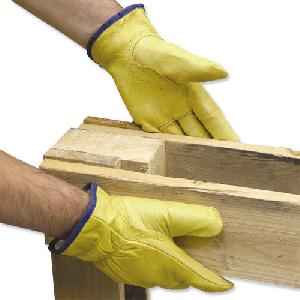
The materials used in gloves are crucial for providing the right protection. Nitrile, for instance, offers a great barrier against oils and chemicals, making nitrile coated gloves a popular choice in industries dealing with harsh substances. For those seeking cut protection, Kevlar® and engineered yarns are ideal. These materials are often used in cut-resistant gloves, providing excellent safety without adding bulk. Another option is latex, which gives a snug fit and excellent grip, though it’s not always suitable for those with allergies. Choosing the right material means you get the protection you need without compromising comfort or dexterity.
In addition to selecting the right base material, consider the added benefits. Polyurethane (PU) palm gloves offer flexibility and a strong grip, perfect for assembly tasks. Each material has its unique advantages, so knowing them helps you make an informed decision that enhances both safety and performance.
Choosing the Right Coatings
Coatings are essential for tailoring gloves to specific tasks. A nitrile coating is fantastic for resisting oils, making it a staple in automotive and manufacturing settings. On the other hand, latex grip gloves provide excellent traction in dry environments, beneficial for handling tools or small components. PU coatings add a layer of abrasion resistance while maintaining flexibility, ensuring your gloves last longer under tough conditions.
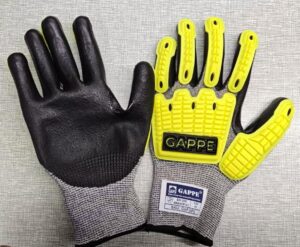
Sometimes, the task demands more than one type of protection. For instance, impact gloves might use a combination of materials and coatings to provide both shock absorption and grip. This multi-layered approach means you don’t sacrifice safety features for comfort or functionality. When choosing coatings, think about your work environment and the specific hazards you face to find the best match.
Meeting EN Standards
Understanding European Norm (EN) standards ensures your gloves meet the necessary safety requirements. These benchmarks guide you in selecting gloves that provide verified protection for your team.
EN 388 Explained
EN 388 is the standard for gloves protecting against mechanical risks. It evaluates gloves based on their resistance to abrasion, cuts, tears, and punctures. For instance, a glove rated 4X43E provides high abrasion and tear resistance, as well as moderate cut protection. For those in construction or manufacturing, knowing these ratings helps you pick the right hand protection for your team.
Understanding EN 388 is not just about numbers. It’s about ensuring your gloves can handle the demands of your work without failing. By selecting gloves that meet or exceed these ratings, you ensure safety and reduce the risk of injury, leading to a healthier workplace.
Ensuring Compliance with EN 407
When dealing with heat, EN 407 is the standard you need to know. It measures a glove’s resistance to thermal risks, such as flames and contact heat. Arc flash gloves, for example, need to be rated for high temperatures to protect against electrical hazards. Knowing this standard ensures your team is safe in environments where heat exposure is a risk.
Always check for compliance with EN 407 if your team works near heat sources. This ensures they have the right protection, reducing the chance of burns or other heat-related injuries. With the correct PPE gloves, your team can focus on their tasks without worrying about safety.
Enhancing Dexterity with PPE
Dexterity is key to efficiency and comfort. The right glove design can enhance your ability to work effectively without sacrificing safety. Let’s explore how to achieve this balance.
Importance of High-Gauge Knits
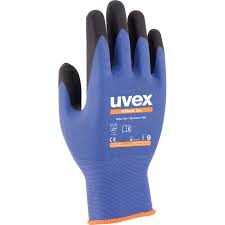
High-gauge knits are a game-changer in glove technology. These gloves use thin, tightly knit fabrics, allowing for a snug fit and excellent dexterity. This design is ideal for precision tasks where you need to feel small objects or controls, such as in electronics or detailed assembly work.
Switching to high-gauge knit gloves can make a noticeable difference in how you work. They provide the sensation of working barehanded, but with the protection you need. This innovation in glove design is particularly useful in industries where dexterity is as crucial as protection.
Benefits of Touchscreen Capability
In today’s digital world, having touchscreen compatible gloves is a huge advantage. These gloves allow you to operate devices without removing your protection. This feature is vital in sectors like logistics or fieldwork, where constant communication or data entry is necessary.
Imagine not having to constantly take off your gloves to use a tablet or phone. It saves time and maintains the hygiene and safety of your gloves. Touchscreen capability in gloves is a simple yet effective enhancement that supports productivity and convenience.
By understanding and applying these insights, you ensure your team is equipped with the best in hand protection. Whether it’s choosing the right material, ensuring compliance with standards, or enhancing dexterity, each decision plays a crucial role in workplace safety and efficiency.