Protecting outdoor workers: Best practices for wet weather workwear
Wet weather workwear often gets overlooked until the rain starts soaking your team—and then it’s too late. Without properly specified EN 343 waterproof PPE, safety and comfort can quickly take a hit on site. This guide explains how to choose, use, and maintain compliant waterproofs—like hi-vis jackets with taped seams and breathable membranes—that keep your outdoor teams dry, safe, and visible all shift long. Book a wet weather PPE consultation with NERO’s Aberdeen team to get tailored kits and custom branding delivered fast.
Importance of Proper Wet Weather Workwear

Don’t let the rain be your team’s downfall. Choosing the right wet weather workwear can significantly affect safety and comfort. Let’s explore the essentials you need to know.
Understanding EN 343 Certification
When it comes to staying dry, EN 343 certification is your go-to standard. This ensures your gear is truly waterproof. EN 343-certified workwear is tested against rain, snow, and fog, promising reliable protection.
But how do you identify EN 343 gear? Look for the label; it shows the level of water resistance and breathability. The rating ranges from Class 1 to Class 4, with Class 4 being the highest. Investing in EN 343 Class 4 protection can make all the difference in harsh conditions.
Key Features of Waterproof PPE
You need more than just a waterproof label. Look for features that matter on the job. Taped seams are non-negotiable. They prevent water from seeping through the stitches.
Another feature to consider is adjustable cuffs and hems. These help seal the deal against rain and wind. High-visibility elements are also essential. They ensure that your team stays visible even in poor weather. A hi-vis waterproof jacket is a smart choice for this.
Benefits of Breathable Waterproof Membranes
Breathability is often overlooked, but it’s crucial. A breathable waterproof membrane lets moisture escape from the inside. This stops sweat from building up and keeps the wearer comfortable.
Why is this important? Because comfort impacts productivity. If your team is dry but sweating, focus and efficiency can drop. So, when choosing waterproofs, think about breathability too. It’s the difference between just staying dry and staying comfortable.
Tailoring Workwear to Industry Needs
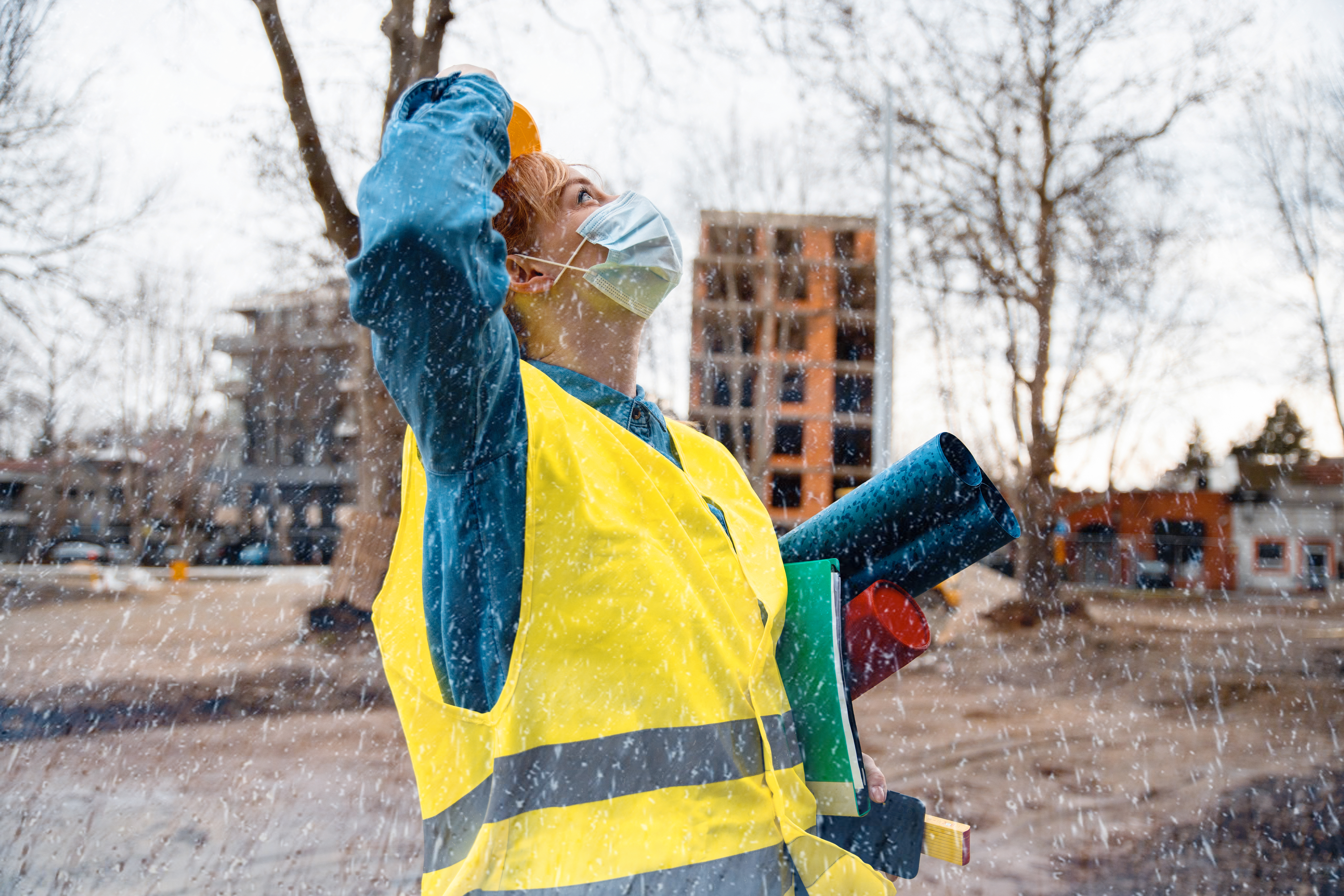
Not all work environments are the same. Customising wet weather gear to industry needs enhances safety and functionality, making all the difference in performance.
Oil and Gas Workwear Essentials
Safety in the oil and gas industry is paramount. Here, flame retardant waterproofs are essential. They not only protect against rain but also reduce fire hazards.
Consider adding Nomex waterproof fabrics to your gear. Nomex offers excellent flame resistance, adding an extra layer of safety. Remember, in this industry, the gear you choose can save lives. Prioritise both waterproofing and fire resistance.
Construction and Utilities PPE Requirements
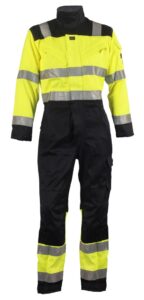
Construction sites demand rugged gear. Here, EN ISO 20471 hi-vis standards are crucial. High-visibility clothing ensures workers are seen amidst heavy machinery.
Don’t forget about footwear. Waterproof safety boots S3 WR SRC are ideal. They offer protection against water, slips, and punctures. For construction, tough and visible is the way to go.
Custom Branded Waterproofs and Personalisation
Your brand matters. Customising workwear with logos can boost team spirit and company pride. In-house embroidery and DTF printing offer quality personalisation options.
Why settle for generic gear when you can have branded waterproofs? They make your team stand out and reinforce your company’s identity. Plus, they’re an excellent way to market your business on the go.
Maintaining and Extending Workwear Life
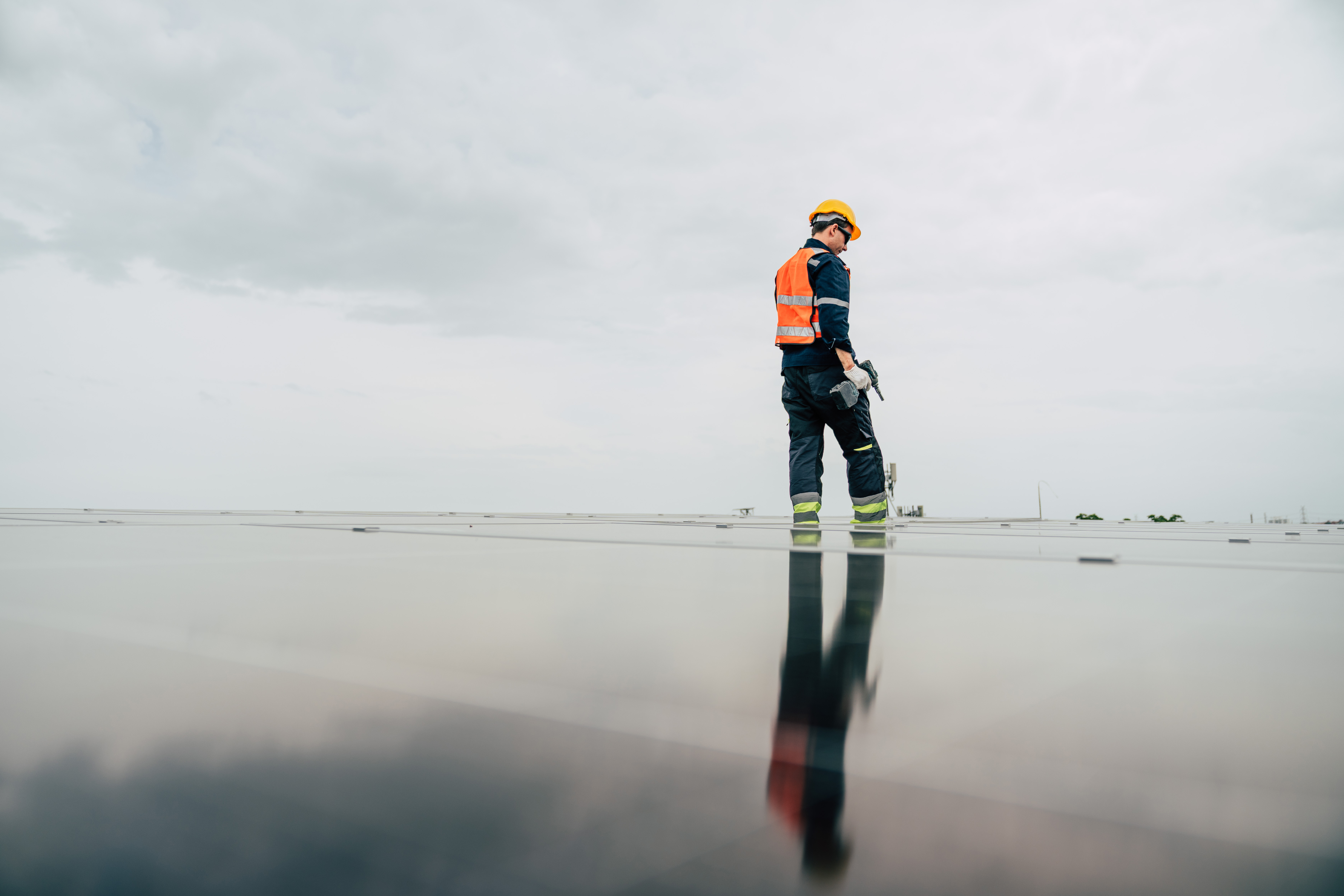
Proper maintenance is key. Extend the lifespan of your workwear and save costs by following some simple care steps.
Care for Waterproof Safety Boots
Boots are your foundation. Regular cleaning and drying extend their life. Don’t store them wet; it leads to mould and damage.
Use a mild soap solution for cleaning. Rinse thoroughly and let them dry naturally. Avoid direct heat as it can crack the leather or fabric. Proper care ensures your boots remain reliable.
Importance of Taped Seams and Sealed Garments
Taped seams are your barrier against leaks. Inspect them regularly. If you spot any damage, repair immediately.
How can you check for leaks? Fill your garment with water and look for drips. It’s a simple test that can save you from a soaked workday. Remember, sealed garments offer the best protection.
Layering Systems for Optimal Protection
Layering is your secret weapon. Start with a base layer to wick moisture away. Add a mid-layer for insulation. Top it off with a shell layer—your waterproof jacket.
This system ensures warmth and dryness. Plus, it’s adaptable. You can remove or add layers as needed. Comfort and protection are always within reach with the right layering strategy.
With these insights, you’re now better equipped to choose and maintain wet weather workwear. Prioritise safety, comfort, and brand identity, and you’ll see the benefits in performance and morale.